
Visual Merchandising Innovations Every Small Retail Outlet Should Consider
***
In the vibrant realm of retail, where the rivalry is intense and customer focus is fleeting, visual allure can be the deciding factor between triumph and failure. Visual merchandising goes beyond merely crafting an attractive storefront; it’s a strategic asset that can boost sales and enrich the customer experience. For smaller retail outlets, which typically lack the hefty marketing budgets of bigger chains, capitalizing on visual merchandising innovations can be transformative. This article explores the visual merchandising innovations every small retail outlet should consider, providing insights and practical advice to help retailers design captivating and effective displays that entice customers and motivate them to make purchases.
Contents Overview
- Why Visual Merchandising Matters
- Trend 1: Eco-Conscious and Sustainable Displays
- Trend 2: Engaging and Immersive Experiences
- Trend 3: Simple and Clean Aesthetics
- Trend 4: Technological Integration in Displays
- Trend 5: Seasonal and Thematic Arrangements
- Trend 6: Personalization and Customization
- Trend 7: Storytelling Through Visuals
- Trend 8: Color Psychology and Lighting Effects
- Conclusion
Why Visual Merchandising Matters
Visual merchandising involves the art and science of arranging products to highlight their features and benefits, ultimately affecting customer behavior. For small retail outlets, efficient visual merchandising can establish a strong brand identity, set them apart from rivals, and enhance the overall shopping experience. It is a crucial marketing strategy that can turn a casual window shopper into a devoted customer. By grasping and applying the latest visual merchandising innovations every small retail outlet should consider, retailers can craft an engaging and memorable shopping atmosphere that attracts and keeps customers.
Trend 1: Eco-Conscious and Sustainable Displays
As consumers grow increasingly environmentally aware, sustainability has become a pivotal factor in retail. Small retail outlets can seize this trend by integrating eco-conscious and sustainable elements into their visual merchandising. This could entail using recycled materials for displays, choosing energy-efficient lighting, or spotlighting products made from sustainable sources. By doing so, retailers not only lessen their environmental footprint but also resonate with eco-conscious customers who value sustainability.
Trend 2: Engaging and Immersive Experiences
In an era where online shopping is merely a click away, physical retail outlets must offer more than just products on shelves. Engaging and immersive experiences can distinguish small retail outlets by engaging customers on a deeper level. This trend involves designing displays that invite customers to touch, feel, and interact with products. For example, a clothing store might set up a temporary fitting room where customers can try on outfits and share their looks on social media. These experiences not only make shopping more enjoyable but also boost the likelihood of purchase by allowing customers to connect with products in a meaningful way.
Trend 3: Simple and Clean Aesthetics
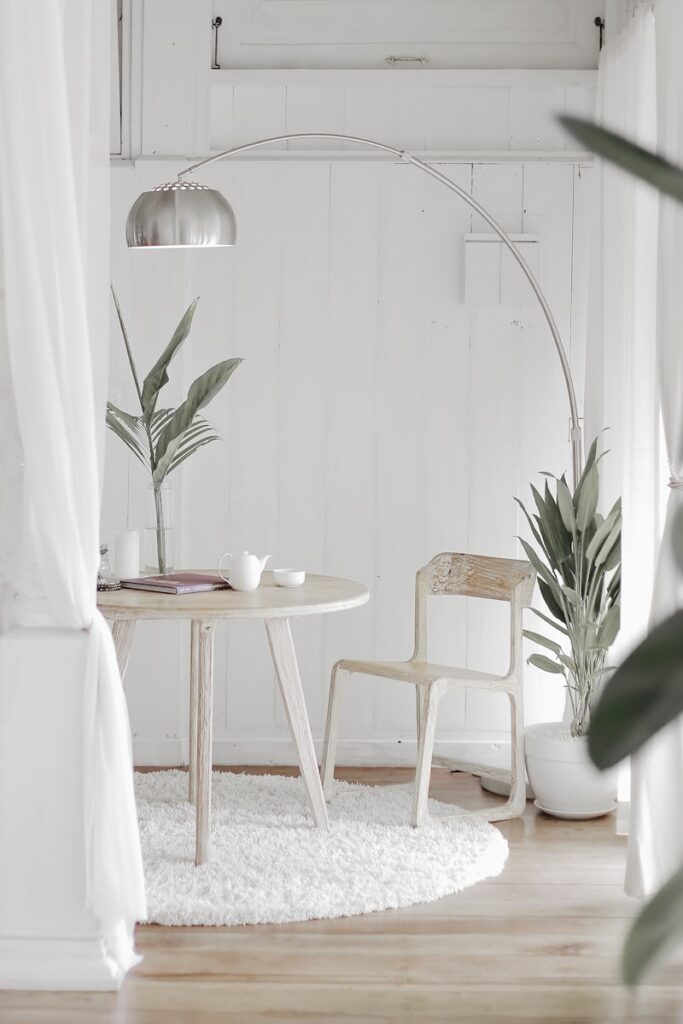
In today’s world filled with information overload, sometimes less is more. Simple and clean aesthetics are becoming more popular in visual merchandising as they create a sense of calm and order. By minimizing clutter and concentrating on a few key products, small retail outlets can create displays that are visually appealing and easy to navigate. This approach not only highlights the products themselves but also enables customers to focus on their features and benefits without distraction. A well-curated, minimalist display can convey sophistication and elegance, attracting customers who appreciate simplicity and quality.
Trend 4: Technological Integration in Displays
Technology is transforming the retail industry, and visual merchandising is no exception. Small retail outlets can leverage technology to craft dynamic and engaging displays that captivate customers’ attention. Digital screens, augmented reality, and virtual reality are just a few examples of how technology can be integrated into visual merchandising. For instance, a beauty store might use augmented reality mirrors that allow customers to virtually try on makeup products before purchasing. By incorporating technology, retailers can create a modern and cutting-edge shopping experience that appeals to tech-savvy consumers.
Trend 5: Seasonal and Thematic Arrangements
Seasonal and thematic arrangements are a classic visual merchandising strategy that remains effective. By aligning displays with holidays, seasons, or local events, small retail outlets can create timely and relevant shopping experiences. This trend involves using props, colors, and themes that reflect the current season or event, creating a sense of excitement and urgency. For example, a toy store might set up a winter wonderland display during the holiday season, complete with snowflakes and reindeer. These displays not only attract customers but also encourage impulse buying by tapping into the emotional aspects of shopping.
Trend 6: Personalization and Customization
In today’s market, personalization is key to standing out. Small retail outlets can embrace this trend by offering customized products and personalized experiences. Visual merchandising can play a crucial role in this by creating displays that highlight personalized options and encourage customers to create their own unique products. For example, a stationery store might have a display that allows customers to personalize notebooks with their names or favorite quotes. This trend not only enhances customer engagement but also fosters a sense of ownership and loyalty.
Trend 7: Storytelling Through Visuals
Storytelling is a powerful tool in marketing, and visual merchandising is no exception. By creating displays that tell a story, small retail outlets can capture customers’ imaginations and create a memorable shopping experience. This trend involves using props, signage, and product arrangements to convey a narrative that resonates with customers. For instance, a bookstore might set up a display that tells the story of a bestselling author’s journey, complete with book excerpts and related merchandise. By weaving storytelling into displays, retailers can create an emotional connection with customers, making shopping more than just a transaction.
Trend 8: Color Psychology and Lighting Effects
Color and lighting play a crucial role in visual merchandising, influencing customers’ emotions and perceptions. Small retail outlets can use color psychology to create displays that evoke specific feelings and moods. For example, warm colors like red and orange can create a sense of excitement and urgency, while cool colors like blue and green can convey calmness and trust. Lighting is equally important, as it can highlight products and create ambiance. By strategically using color and lighting, retailers can create displays that not only attract customers but also influence their purchasing decisions.
Conclusion
In the competitive world of retail, visual merchandising is a powerful tool that can drive sales and enhance the customer experience. By embracing the visual merchandising innovations every small retail outlet should consider, retailers can create engaging and effective displays that draw customers in and encourage them to shop. From eco-conscious and sustainable displays to engaging and immersive experiences, these trends offer small retail outlets the opportunity to differentiate themselves and create a memorable shopping environment. By understanding and implementing these trends, retailers can not only attract customers but also foster loyalty and drive business success.